

Oven know-how
Which Miele oven function should you use?
A practical guide to Fan Plus, Conventional Heat, Intensive Bake, grilling and Moisture Plus, with ideas for the food each function suits.
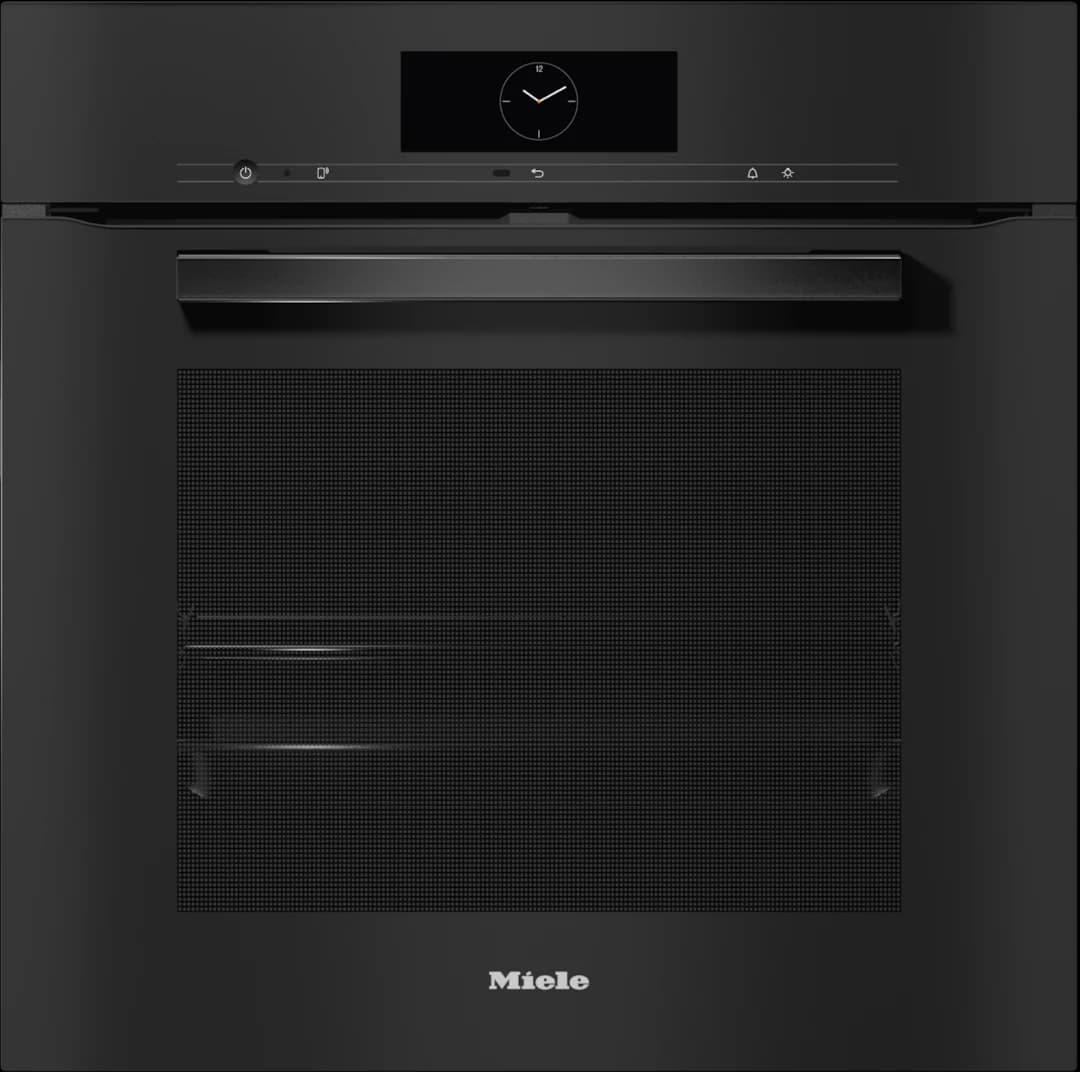
An oven menu is easier to understand when you connect the function to the food. Are you looking for an evenly baked cake, a well-cooked pastry base, crisp vegetables or a coloured topping?
Start with the function named in your recipe, then check your exact oven's cooking chart. The guide below explains the choices you may see on a Miele oven; the available functions, shelf positions and programme names vary by model.
Match the function to the job
| Function | How it cooks | When to investigate it |
|---|---|---|
| Fan Plus | Circulates heated air through the oven. | A recipe specifying a fan oven, including suitable baking or roasting. |
| Conventional Heat | Uses heat from the upper and lower parts of the oven. | A recipe written for conventional heat, usually with its specified shelf position. |
| Intensive Bake | Combines fan heat with additional heat from below. | A recipe for a moist topping and a base that needs baking, such as a quiche or pizza. |
| Grill | Applies strong heat from above. | Browning or grilling according to the model's instructions. |
| Moisture Plus | Adds steam bursts to a supported oven heating function. | A compatible bread or roast recipe that specifies added moisture. |
Miele reference
Fan Plus or Conventional Heat?
Read the recipe's temperature label carefully. A setting described as “fan” is not necessarily interchangeable with the conventional setting printed beside it. There is no single conversion that works for every food, tin, oven and batch size.
Fan Plus can be useful for cooking on more than one level where the model's instructions allow it. Even then, arrange the trays as the cooking chart directs and leave the recommended space for airflow. Several crowded trays need a different plan from one modest batch.
For a familiar cake, resist changing the tin, quantity, function and shelf position at the same time. Keep most of the recipe fixed and adjust one variable only after seeing the result. That gives you a useful answer instead of another guess.
Give pastry bases their own attention
A tart can look finished on top while its base still needs work. The moisture in the filling, the pastry thickness and the tin all matter. Use a complete recipe that explains whether the pastry should be blind baked and which function to select.
If your oven has Intensive Bake, consult the model's chart for the foods it suits. It is a specific choice for certain bakes, rather than a reason to switch every cake or biscuit away from its recommended function.
Before changing the oven settings, check the simple things: the correct tin size, the shelf position, the measured filling and the preparation of the pastry. Those details often explain more than the name of the programme.
Bread: follow the steam stage, then the baking stage
Moisture Plus is available on selected ovens, including the H 7860 BP. A recipe written for it will tell you how to use steam bursts alongside oven heat. Follow those instructions instead of inventing a steam schedule for an ordinary recipe.
Start with one complete Miele bread recipe, keeping its ingredient quantities and method together. A soda bread is an approachable project because the recipe guides the full process from mixing to baking. Use the recipe's settings and confirm that your appliance offers the requested function.
Once you have a result you like, record the flour, tin or tray, chosen function and batch size. Bread changes when those details change, so a good note is more useful than a remembered temperature on its own.
Treat grilling as an active part of cooking
Grilling is useful when the recipe wants surface colour, such as a finished topping or food intended for direct grilling. Prepare everything before switching it on so you can watch the food as it changes.
Follow the grill instructions for your model, including the door position, accessories, preheating and shelf level. Keep handles, paper and other materials away from the heating area as the manual directs. Never assume another oven's grill routine applies unchanged.
If a dish needs cooking through before its top is browned, complete the cooking stage first. Colour from a grill is a finishing cue, not proof that the centre has cooked.
Before pressing Start
- Check the exact model number and confirm that the named function is available.
- Use the recipe's temperature for the selected function and its specified tin, tray or dish.
- Check preheating, shelf position and accessories in the model's operating instructions.
- Set reminders for any changes of stage, then check the recipe's doneness cues before serving.
References & further reading
Based on Miele UK product information and operating guidance available at the review date. Use the instructions supplied for your exact appliance and a complete recipe for quantities and cooking settings.
Keep exploring
All guides
Steam, combination steam or Moisture Plus?
Learn which kind of moisture helps vegetables, grains, bread and roasts, and why these Miele functions are different.
Read the guide
A better weeknight dinner, one function at a time
Turn a tray of vegetables, a pan of sauce and a steam-cooked side into a calmer evening meal. Start with the result you want, then choose the function.
Read the guideA clean oven, without the guesswork
Understand PerfectClean, pyrolytic cleaning and HydroClean, and build a care routine that suits your exact Miele oven.
Read the guide