

Steam cooking
Steam, combination steam or Moisture Plus?
Learn which kind of moisture helps vegetables, grains, bread and roasts, and why these Miele functions are different.
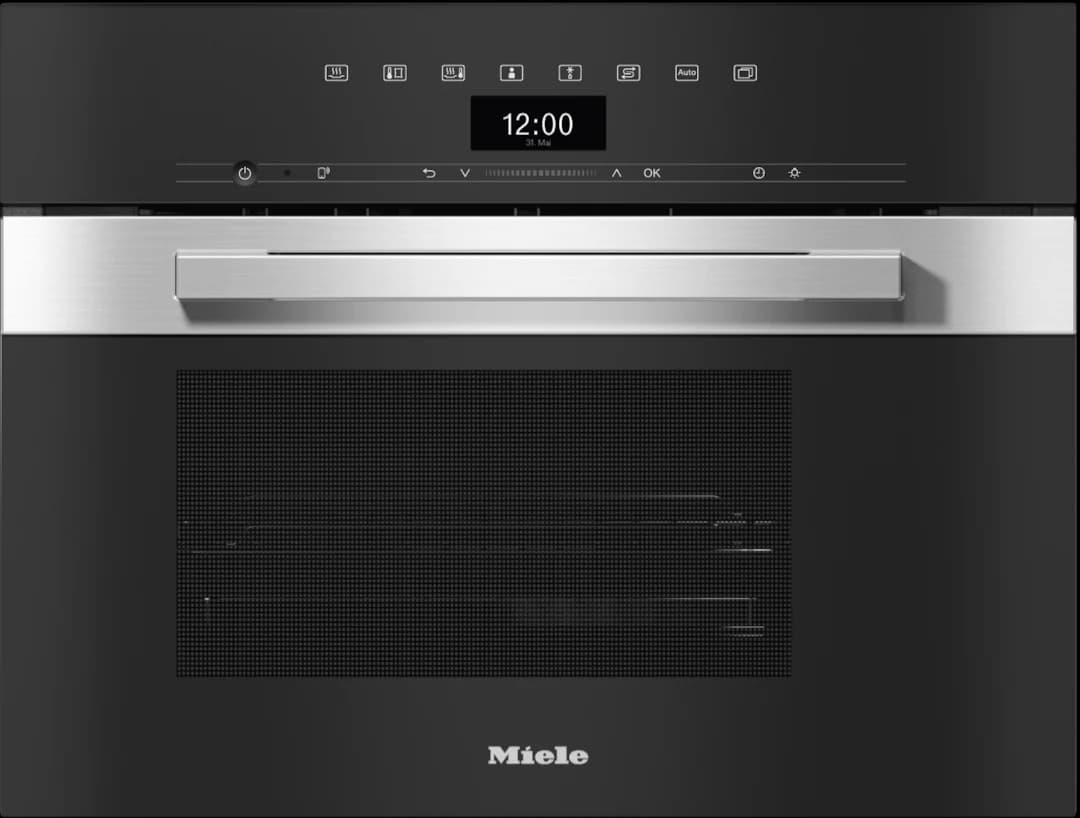
Steam becomes easier to use when you stop treating every moist cooking method as the same thing. A bowl of rice, a tender vegetable side and a loaf with a browned crust ask for different conditions.
Miele's appliance names describe different families, and individual models add their own functions. Check the full model number and operating instructions before following a guide, particularly when a recipe asks you to set humidity or combine several stages.
Three ways to introduce moisture
| Method | What it does | A useful place to start |
|---|---|---|
| Steam cooking | Cooks with steam, without the dry oven heat used for browning. | Vegetables, rice and other foods listed in the model's steam cooking chart. |
| Combination steam | On suitable DGC models, combines steam with an oven heating function; controls and stages depend on the model. | A model-specific recipe that needs both a moist interior and a browned exterior. |
| Moisture Plus | On supported ovens, adds bursts of steam to an oven cooking function. | Bread or a roast recipe written for Moisture Plus. |
The DG 7440 is a steam oven; the DGC 7660 HC Pro offers steam and combination cooking; the H 7860 BP is an example of an oven with Moisture Plus. These are useful examples of the distinction, rather than a promise that every Miele appliance has the same controls.
Moisture Plus is not a substitute for a dedicated steam programme. Equally, a steam oven on its own is not the place to expect the dry-heat browning of a conventional oven.
For vegetables, think about shape and finish
Use the steam cooking chart for the actual vegetable, its preparation and the result you want. Similar-sized pieces make checking doneness easier. If you want a vegetable to keep its shape for a salad, that is a different target from a vegetable destined for a smooth purée.
Choose a suitable perforated container where the manual recommends it, with the required collecting tray below. Check how different dishes should be positioned, especially if one can drip onto another. Food containers need to be suitable for the appliance and the selected mode.
Once cooked, finish the vegetables deliberately. Add a dressing, fold them into a warm grain dish, or serve them alongside something roasted. Steam does the cooking job; the finishing ingredients give the dish its character.
Rice still needs the right amount of water
A steam cavity does not mean you can put dry rice in a perforated tray. Rice cooks in liquid in a solid container. The quantity of liquid depends on the rice variety and the recipe; use the ratio and duration in your model's instructions or a compatible Miele recipe.
Plan a grain bowl by deciding on the grain first, then its toppings. Keep a crisp or roasted topping separate until serving so it holds its texture. For a warm salad, prepare the dressing while the grain cooks and combine everything when the recipe tells you to.
Do not assume that rice, fish and vegetables can all go in together for the same duration. Automatic Menu Cooking, where available, prompts you when to add the different foods. Manual menu cooking needs a separate plan based on each food's settings.
Miele reference
For a browned crust, use a recipe written for the function
A bread recipe for a dry oven and one for a combination steam oven may use different stages. Follow the recipe's selected heating function, humidity or steam bursts, and the point at which those settings change. More moisture is not automatically better.
On the DGC 7660 HC Pro, combination cooking is available with several heating functions, including Fan Plus and Conventional Heat. Other models can have different options. Begin with the programme and instructions supplied for your appliance rather than copying another model's display settings.
For a roast, use the recipe and your model's guidance for any food probe. Probe availability and use vary by appliance. Check that the food is properly cooked; a browned exterior alone does not establish doneness.
A sensible first week with a steam oven
- Begin with one familiar vegetable side and the matching entry in the operating instructions. Note the portion size and preparation.
- Next, try a grain using the specified solid container and liquid ratio. Serve it with a topping you already know how to cook.
- If you own a combination steam model, choose a complete Miele recipe written for its available functions before experimenting with your own stages.
- Keep a short note of what you changed and what you liked. Build a small set of dependable meals before exploring more complex menu programmes.
References & further reading
Based on Miele UK product information and operating guidance available at the review date. Use the instructions supplied for your exact appliance and a complete recipe for quantities and cooking settings.
Keep exploring
All guides
A better weeknight dinner, one function at a time
Turn a tray of vegetables, a pan of sauce and a steam-cooked side into a calmer evening meal. Start with the result you want, then choose the function.
Read the guide
Which Miele oven function should you use?
A practical guide to Fan Plus, Conventional Heat, Intensive Bake, grilling and Moisture Plus, with ideas for the food each function suits.
Read the guide
Choose Miele appliances around the meals you love
Plan an oven, steam oven or combination that fits the way you cook, with a practical checklist for functions, capacity and installation.
Read the guide